
WooCommerce is not a brochure website. Cart, checkout, sessions, filters, and order writes place continuous pressure on PHP workers, the database layer, and storage I/O. These plans are built for self managed stores that need a stronger foundation today and a clear path into Enterprise Hosting when the workload becomes more operationally demanding.
A store is dynamic, session heavy, and more sensitive to database pressure than a standard content site. That is why WooCommerce should not be treated like ordinary WordPress hosting.
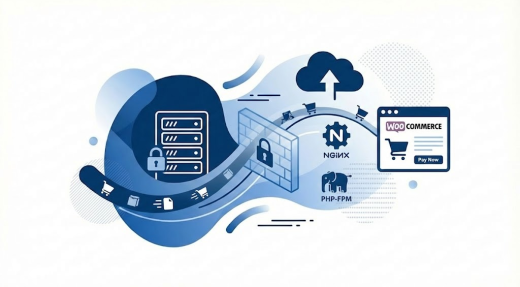
Cart, checkout, account pages, and many customer interactions must stay dynamic. That means the stack needs enough PHP worker capacity and a predictable execution model for requests that cannot simply be served from page cache. A store feels healthy when these paths remain responsive under normal load, not only when the homepage is fast.
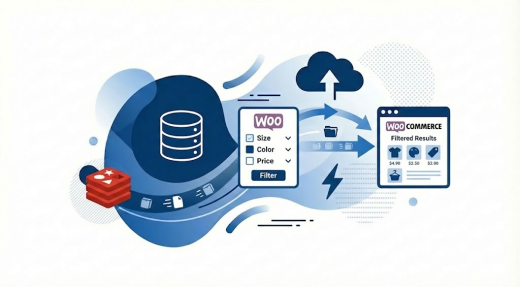
Product filters, catalog navigation, session data, transients, and repeated lookups can all place pressure on the database. Redis object caching helps reduce repeated reads and supports better response times for dynamic browsing and admin activity when configured correctly for WooCommerce.
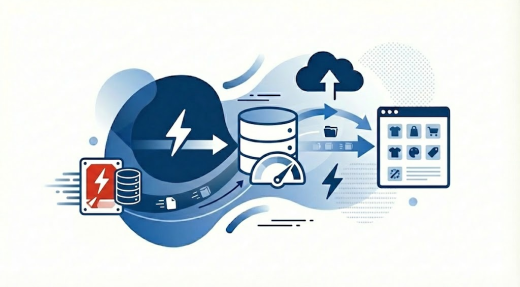
Every order, stock update, background task, and plugin action touches the data layer. Fast NVMe storage helps reduce wait time during those operations and gives the database a stronger baseline during promotions, seasonal peaks, and heavier admin workflows.
Commerce workloads should not be exposed to unnecessary platform noise. Account isolation helps reduce noisy neighbour risk, while edge security controls and WAF rules help protect the store surface against common internet facing abuse. That does not replace secure store configuration, but it does strengthen the hosting layer underneath it.

The goal is not only speed on the storefront. The goal is a store that remains usable for customers and staff as sessions, catalog complexity, and order volume increase.

Payment gateways, checkout plugins, and theme updates should be tested away from live revenue. Staging lets teams validate changes before exposing them to customers.
Commerce data changes continuously. Higher tiers include more frequent backup coverage so recovery options stay more practical for active stores.

Encryption is standard for any serious store. SSL is issued and renewed automatically so secure sessions stay in place without manual overhead.
WooCommerce, imports, reporting tools, and plugin heavy stores can consume more memory than a basic content site. Higher memory limits reduce avoidable failures during heavier workflows.

Scrapers, hostile crawlers, and low quality traffic can waste server capacity that should be available for real customers. Edge filtering helps protect store resources during busy periods.

Order confirmations and account emails matter to customer trust. The platform supports clean mail configuration with SPF and DKIM friendly setups for more reliable delivery patterns.
If the store already carries revenue risk, tell us about catalog size, plugins, traffic bursts, and team workflow. We will point you to the right tier in writing.
There is no single product number that guarantees performance. The real factors are variations, attributes, search behaviour, active plugins, import jobs, customer sessions, and admin activity. Smaller stores can run well on Woo Starter, while larger or more complex catalogs usually belong on Woo Growth, Woo Scale, or in some cases Enterprise Hosting depending on the workload profile.
The hosting environment supports modern transport security and a hardened server layer, but PCI scope depends on how the store is built and how payments are processed. For most merchants, the safest approach is a modern gateway such as Stripe or PayPal where card data is tokenized and not processed directly on the store server.
WooCommerce generates repeated database work even when customers are only browsing. Redis object caching can reduce repeated reads for sessions, metadata, transients, and other commonly requested objects. That helps support a more responsive storefront and a faster admin experience under load.
Yes. Commerce migrations need more care than ordinary websites because orders, customer data, and plugin state can change during the move. If you want an engineer led migration, we can plan the cutover to reduce risk and avoid avoidable downtime.
Free migration on Woo Scale.
The store keeps benefiting from the underlying stack, but every plan still has boundaries. If traffic, concurrency, or order volume outgrow the current tier, upgrading quickly is usually possible. If the business needs stronger headroom and clearer service scope, it may be time to move into a higher WooCommerce tier or Enterprise Hosting.
Yes. SSH access is available on the appropriate tiers, and WP CLI remains useful for product imports, maintenance commands, cache operations, and bulk administrative work that is less efficient through the browser.
WordPress content sites are usually more cache friendly and more read heavy. WooCommerce adds sessions, cart state, checkout, inventory changes, customer accounts, and more frequent writes to the database. That changes the infrastructure profile. WooCommerce needs more attention to PHP workers, memory, Redis object caching, and storage performance than ordinary WordPress hosting.
Yes on the higher tiers. WooCommerce updates should be tested carefully because checkout, payment, shipping, and tax logic can all be affected by plugin or theme changes. Staging gives teams a safer place to validate changes before touching live revenue.

Subscribe to get Exclusive offer & updates in your Email

Yhost Hosting provider uses the most up-to-date technologies in order to provide you with the most powerful, high-performing servers possible. Best Web & VPS Hosting Services, Cloud & NVMe VPS.
Copyright © 2014‐2026 Yhost. All Rights Reserved